
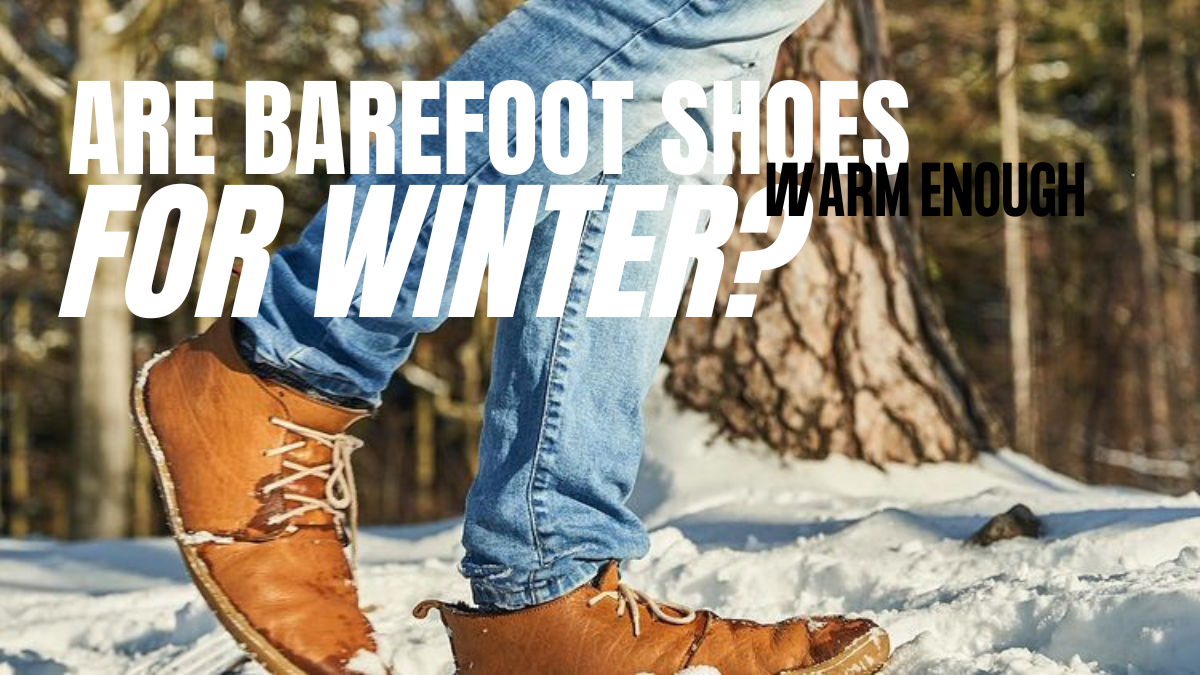
Are Barefoot Shoes Warm Enough for Winter?
Thin soles and winter. For many people, this combination raises one big question: will my feet be cold? In practice, winter comfort depends on much more than sole thickness.
When people think of winter shoes, they often imagine thick soles and robust construction. Barefoot footwear takes a different approach.
The goal is not to lock the foot in a rigid structure, but to allow natural movement while still providing enough warmth and protection for cold days.
Why Thin Soles Do Not Automatically Mean Cold Feet
In winter footwear, insulation matters — but so does the way the foot works inside the shoe.
Barefoot shoes provide enough space for the toes and allow the foot to move more naturally. The toes are not compressed together and can participate in movement while walking.
Natural movement and good blood circulation are among the reasons why many people feel comfortable in barefoot shoes even during colder days.
Of course, barefoot shoes are not a magical solution against cold. If your feet often feel cold in conventional shoes, switching to barefoot shoes will not automatically solve the problem. But thermal comfort is not only about the thickness of the sole.
Warmth Is About More Than Insulation
The feeling of warmth in winter shoes is influenced by several factors:
- the correct size,
- enough space for the toes,
- suitable socks,
- activity level,
- moisture inside the shoes.
If shoes are too tight, the foot does not have enough space to move naturally and circulation may be reduced. Comfort can also be affected by unsuitable socks or excessive sweating.
That is why we recommend paying as much attention to choosing the correct size as to choosing the model itself.
Standing Still Is Different From Walking
When thinking about winter comfort, it is important to consider how the shoes will be used.
A person who is moving most of the time will experience cold differently from someone standing still for a long time.
During walking, the muscles work, the foot is naturally more active and warmth is created through movement. When standing still for longer periods, cold may appear regardless of whether you are wearing barefoot or conventional shoes.
One advantage of barefoot shoes is that the toes have enough space to move even inside the shoe. Even small movements can help support blood circulation.
Choosing the Right Winter Barefoot Shoes
Not every winter is the same, and not all winter barefoot shoes are designed for the same conditions.
When choosing, it is worth thinking about where and how you will wear them most often.
Fleece Lining
A good option for milder winter days or for people who mostly move around the city.
Thin Wool Lining
A balanced choice between warmth and breathability. It is often a good solution for a typical European winter.
Wool Fur Lining
The warmest option for cold winter days and longer time spent outdoors.
When choosing winter barefoot shoes, consider not only the temperature, but also how active you will be. Someone commuting through the city every day may need something different from someone spending a lot of time outside in nature.
Can Feet Adapt to Cold?
Many long-term barefoot users describe that over time, they perceive cold differently than they did at the beginning.
This may be connected with more natural foot movement, more active muscles and better body awareness. However, everyone reacts to cold individually, and there is no universal experience that applies to everyone.
That is why we recommend choosing winter barefoot shoes according to your own needs, daily use and climate conditions.
Our Experience
From our experience, well-chosen winter barefoot shoes can provide enough warmth and comfort even during cold months.
The most important things are the correct size, the right type of lining and a model that matches the way you will use the shoes.
If these three things come together, barefoot footwear can work naturally in winter just as it does during the rest of the year.
You may also like
How to Start with Barefoot Shoes Without Stress
A simple guide for beginners switching to barefoot shoes gradually and comfortably.
Read article →How to Choose Autumn Barefoot Shoes for Kids
Learn how to choose autumn barefoot shoes based on climate, daily use and fit.
Read article →Froddo Barefoot Shoes
Find out why so many families keep coming back to Froddo season after season.
Read article →