
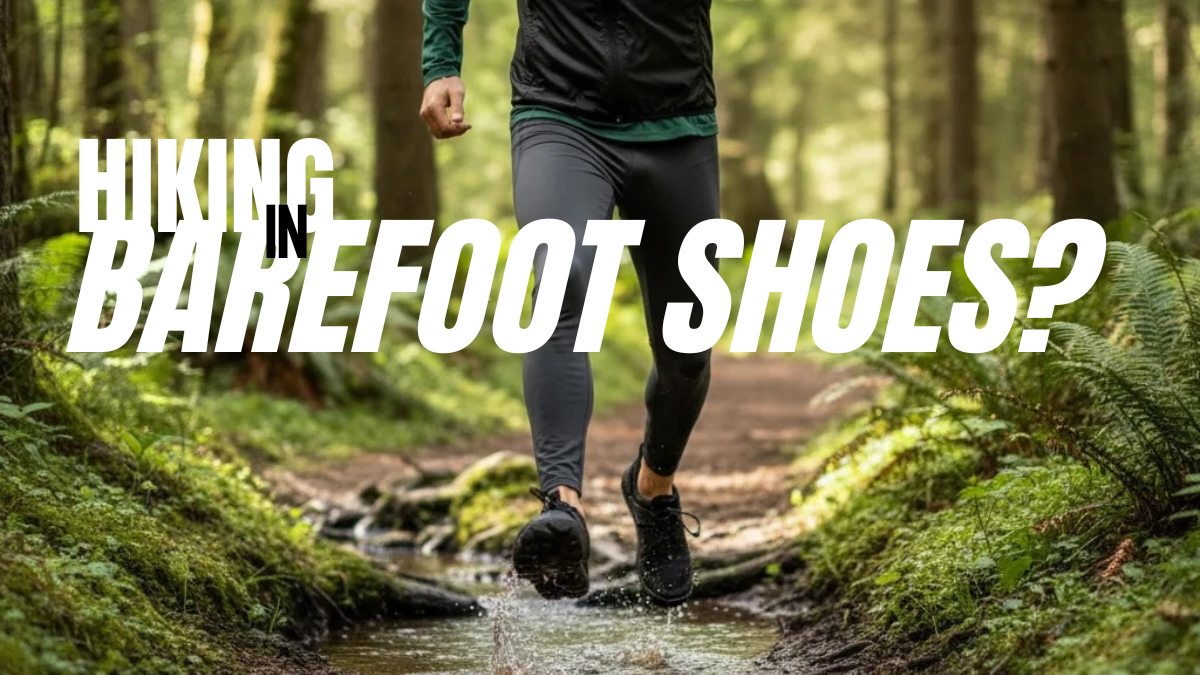
7 Reasons to Choose Barefoot Hiking Shoes
Hiking is one of the most natural forms of movement. Whether you are heading out for a short forest walk, a full-day mountain hike or a weekend outdoor adventure, the right footwear can significantly influence how comfortable and confident you feel on the trail.
For many years, hiking footwear was almost automatically associated with thick soles, rigid construction and heavily reinforced ankles. Today, more and more people are discovering the advantages of barefoot hiking shoes.
So why are barefoot shoes becoming popular among hikers?
In this article, we look at the real benefits of barefoot hiking shoes: better terrain feel, natural foot work, stability, toe space, lower weight and comfort in changing outdoor conditions.
1. Better ground feel under your feet
One of the biggest advantages of barefoot hiking footwear is better contact with the terrain.
A thin and flexible sole allows you to feel the surface you are walking on more clearly. Roots, stones, forest trails and changes in slope are not perceived only with your eyes, but also through your feet.
This allows the body to react faster to uneven ground and naturally adapt to the conditions underfoot.
Many hikers describe this feeling as greater confidence when moving in outdoor terrain.
2. The foot can work naturally
Traditional hiking boots often take over part of the work that the foot would normally do.
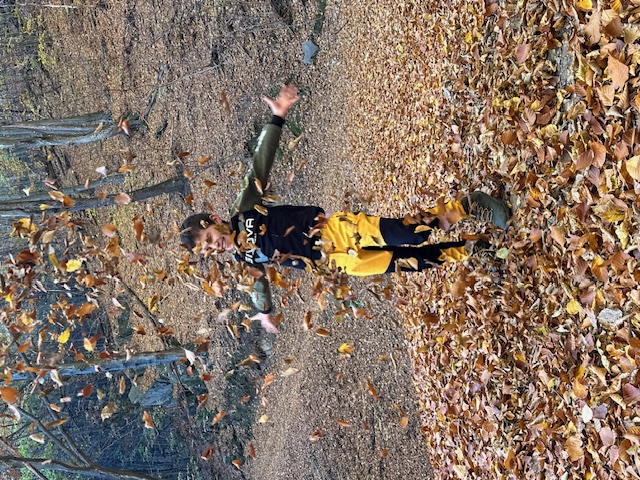
Barefoot shoes, on the other hand, allow the foot to participate more actively in movement. With every step, the muscles, tendons and ligaments can work in a way that is natural for them.
It is not that barefoot shoes “strengthen” the foot by themselves. Rather, they create conditions in which the foot can function more naturally.
3. Natural stability instead of artificial support
Many people automatically associate hiking with stiff footwear and ankle support.
But try to imagine a simple situation.
You place a wooden board on a larger stone and stand on it. You have to constantly correct your balance, because the board cannot adapt to the shape of the surface underneath.
Now imagine standing on the same stone barefoot. The foot naturally adapts to it. The toes spread, the sole slightly bends according to the surface and the body finds stability in a much more natural way.
This is the principle barefoot footwear uses. A flexible sole allows the foot to react to the terrain instead of creating a rigid barrier between the foot and the ground.
Good to know:
In barefoot hiking shoes, stability does not come from locking the foot in place. It comes from allowing the foot, ankle and body to react naturally to the terrain.
4. More space for the toes during longer hikes
In properly chosen barefoot hiking shoes, you should have about 1.0 to 1.2 cm of extra space in front of the toes.
This is not a coincidence.
During descents, the foot naturally moves slightly forward. During longer hikes, the feet also work, warm up and may swell a little.
This is exactly why extra space is so important in hiking footwear. It helps protect the toes from hitting the front of the shoe and leaves enough room for natural toe movement throughout the hike.
5. Lower weight, less fatigue
Every extra gram has to be carried thousands of times during a hike.
This is why many hikers appreciate the low weight of barefoot footwear.
Lighter shoes mean less energy spent with every step and a more pleasant feeling, especially during full-day trips.
They are also easier to pack when travelling.
6. Barefoot shoes do not have to mean cold feet
Many people worry that a thinner sole automatically means cold feet.
In practice, it is often quite the opposite.
Toe space together with sole flexibility allows the foot to work better and support natural blood circulation. Movement itself creates warmth and helps keep the feet comfortable even on colder days.
Of course, if you stand still for a longer time, cold will eventually come. But this happens in any type of footwear.
For colder seasons, many barefoot hikers use wool insoles or quality merino socks, which can significantly improve thermal comfort.
Tip for colder hikes:
If your barefoot shoes have enough internal space, a wool insole and quality merino socks can make a big difference without restricting the toes.
7. Hiking becomes a more intense experience
Hiking is not just moving from point A to point B.
It is contact with nature, terrain and the environment around you.
Barefoot shoes allow you to notice more details under your feet, and many people describe a stronger connection with the surroundings they move through.
This feeling is also one of the reasons why many hikers do not want to return to traditional hiking boots after trying barefoot footwear.
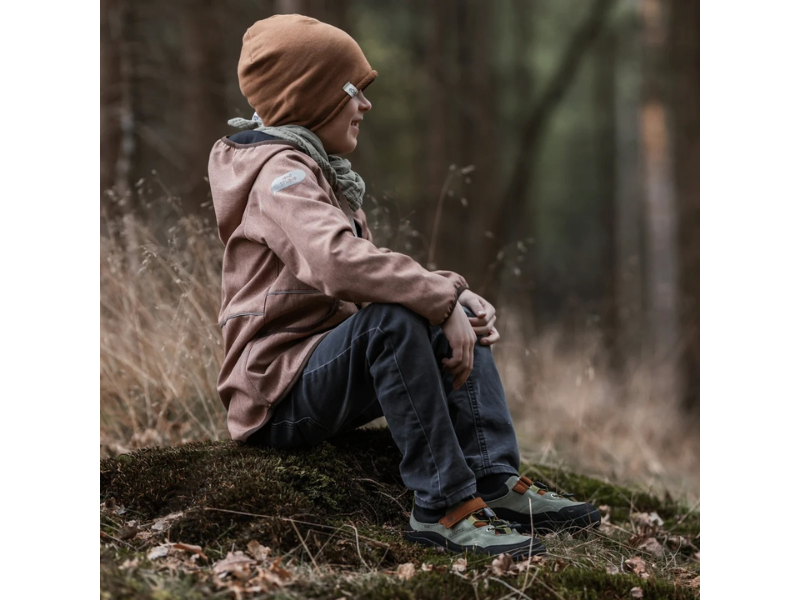
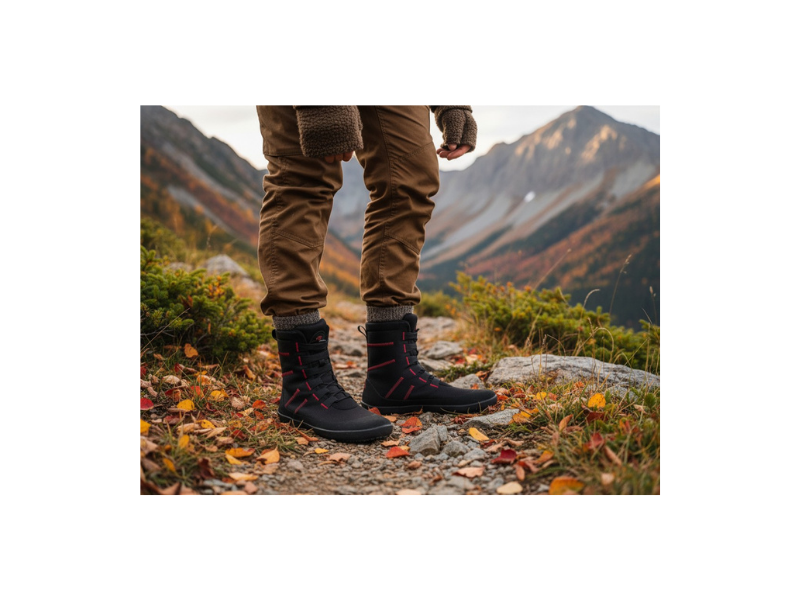
Barefoot hiking inspiration
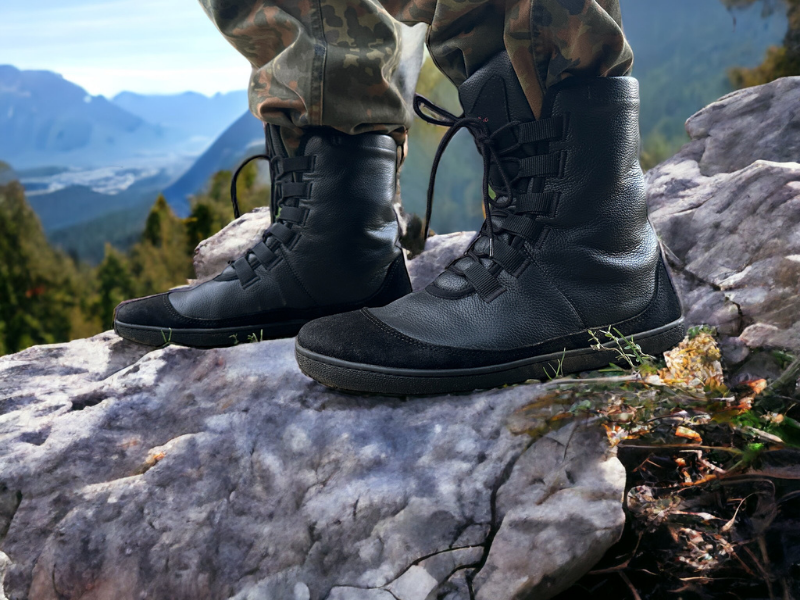
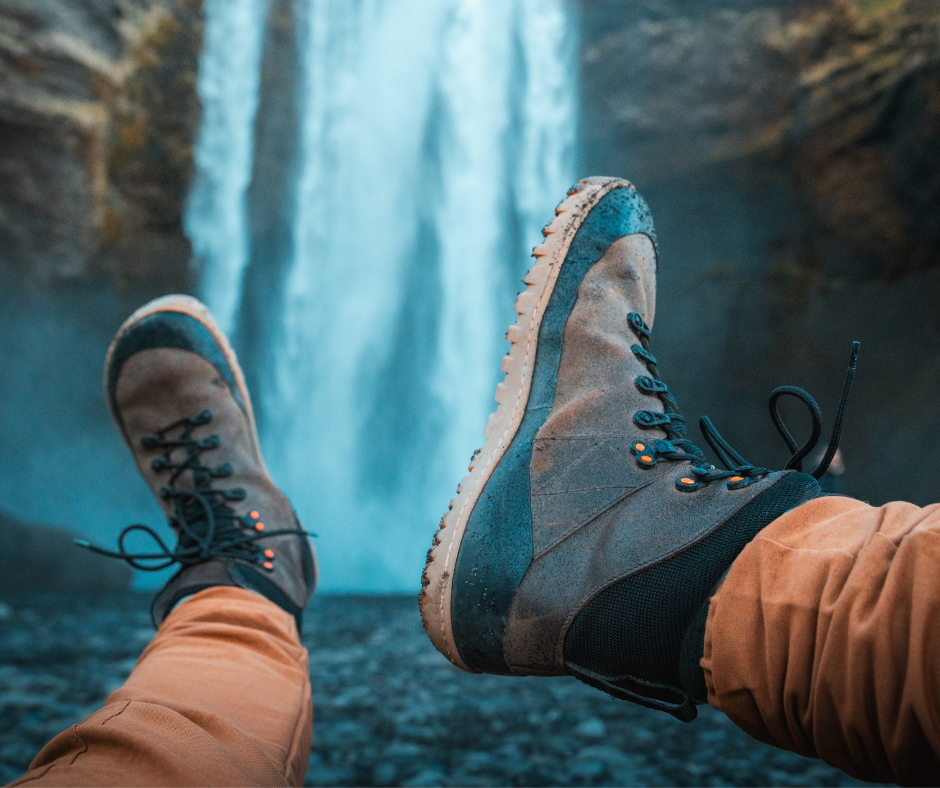
A few examples of barefoot footwear used in outdoor conditions. The photos are for inspiration and may show different models from our hiking selection.
Recommended barefoot hiking shoes
If you are looking for specific barefoot hiking models, here are some options that have worked well for us and our customers.
Sole Runner Surtur
Sole Runner Surtur is a lightweight and flexible barefoot hiking shoe suitable for easier as well as more demanding hikes, everyday outdoor wear and longer trips. It offers excellent ground feel and very low weight.
You can read more about our long-term experience with this brand in our article Sole Runner: When Barefoot Is a Philosophy, Not a Trend.
Aylla Mitu
Aylla Mitu is a leather barefoot model with a membrane and a strong outsole pattern. It offers a high level of grip and protection against moisture while still keeping the barefoot principles.
From customer feedback, we know that Mitu has performed very well even on demanding mountain hikes.
bLifestyle TrekkSTYLE and mountainSTYLE
bLifestyle offers several barefoot models suitable for lighter outdoor use. TrekkSTYLE and mountainSTYLE are good choices for less demanding hikes, forest parks and easier nature walks.
They are especially suitable for people who want comfortable barefoot footwear for everyday outdoor activities rather than technical mountain terrain.
Kilpi BareHigh
Kilpi BareHigh is designed for colder seasons and more demanding outdoor conditions. Thanks to its membrane, light insulation and sharp outsole pattern, it is suitable for autumn, winter and early spring hikes.
The aggressive tread provides reliable grip even in more challenging terrain, while the shoe still keeps the natural barefoot feel.
We tested this model on an 11 km hike in autumn conditions. You can read the full review here: Kilpi BareHigh Review: Tested on an 11 km Mountain Hike.
Conclusion
The goal of barefoot hiking shoes is to allow the foot to function more naturally, provide enough space for the toes and maintain the best possible contact with the terrain.
If you are looking for hiking footwear that combines natural movement, low weight and all-day comfort, barefoot hiking shoes are definitely worth trying.
Related articles
Kilpi BareHigh Review
Read our real 11 km autumn hike test of waterproof barefoot hiking shoes.
Read the reviewSole Runner Philosophy
Discover why Sole Runner is a barefoot brand built on philosophy, not trends.
Read the article